
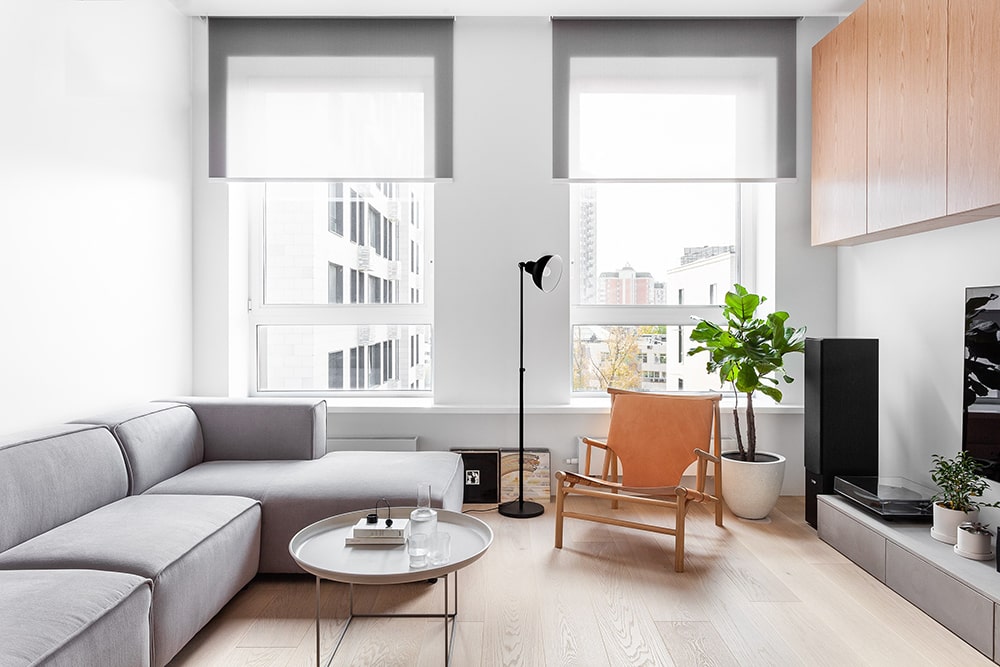
The Future of Smart Homes in India
Discuss how emerging technologies are reshaping residential design with automation, energy efficiency, and enhanced comfort.
The concept of smart homes, where technology seamlessly integrates with everyday living to enhance comfort, security, and efficiency, is quickly gaining momentum in India. With the rapid growth of urbanization, increasing disposable incomes, and the rise in technological innovation, smart homes are set to become an integral part of the Indian housing landscape. As the demand for more convenient, energy-efficient, and secure living spaces increases, here’s a glimpse into the future of smart homes in India.
1. Enhanced Connectivity and Automation
The future of smart homes in India is all about increased connectivity and automation. With the proliferation of high-speed internet and the adoption of 5G, homeowners will be able to control and monitor their devices remotely, even while away from home. Voice-activated virtual assistants like Amazon Alexa, Google Assistant, and Apple’s Siri are already being used to control everything from lighting to temperature. In the future, automation will go beyond simple commands, enabling systems to learn preferences and adjust settings on their own. For example, your thermostat could automatically adjust the temperature based on weather patterns or your daily routine, while lighting could be set to match the time of day.
2. Energy Efficiency and Sustainability
As India faces growing concerns about climate change and energy consumption, smart homes will play a crucial role in promoting sustainability. Energy-efficient appliances, lighting systems, and smart thermostats will become standard features in homes. With the help of smart meters and energy management systems, homeowners will be able to track their energy usage and optimize it to reduce waste. Solar panels, coupled with smart systems to monitor and store energy, will further contribute to reducing the carbon footprint and lowering electricity bills.
3. Home Security and Surveillance
The safety of residents will continue to be a top priority for smart homes in India. Advanced security systems with AI-powered cameras, motion sensors, and smart locks will provide real-time monitoring and alerts. Integration with mobile apps will allow homeowners to check the security status of their home remotely and even grant access to trusted individuals through smart locks. Facial recognition technology and biometric systems will also improve security measures by offering more advanced, personalized access controls.
4. Health and Wellness Integration
Smart homes will increasingly focus on enhancing the health and well-being of residents. Air purifiers, smart water filtration systems, and humidity controllers will ensure that the living environment is clean and healthy. Wearable health devices will sync with smart home systems to monitor individual health data, while smart beds and furniture will be designed to optimize posture and comfort. In the future, homes may even feature dedicated spaces for wellness, such as smart yoga rooms or home gyms equipped with AI-powered fitness trackers.
5. Affordable and Scalable Solutions
While smart homes in India were once perceived as a luxury, the future will see more affordable and scalable solutions. As technology advances and becomes more widespread, the cost of smart home devices will continue to decrease, making them accessible to a larger section of the population. Additionally, modular smart home solutions will allow homeowners to start with basic automation and scale up as their needs and budgets evolve.
Conclusion
The future of smart homes in India looks bright, with technology transforming the way people live. From enhanced automation and energy efficiency to improved security and wellness, smart homes will offer a more connected, sustainable, and comfortable lifestyle. As more homeowners embrace these innovations, India will become a key player in the global smart home revolution.
